
"Guatemalan coffee"
4000 article(s) found

How does Guatemalan Vivette Nanguo Coffee taste? how do you drink Guatemalan Coffee?
Professional barista communication please follow the coffee workshop (Wechat official account cafe_style) Guatemala Vivette Nan Fruit SHB Guatemala HHT SHB EP country: Guatemala production area: Vivette Nan Fruit Grade: SHB treatment: washed varieties: Arabica flavor description: medium depth taste, refreshing, fruity, slightly sour. Recommended baking: melon land at medium and deep baking position

What's the smell of Guatemalan hand-made coffee? does Guatemalan hand-made coffee smell like smoke?
Professional coffee knowledge exchange more coffee bean information please follow Coffee Workshop (Wechat official account cafe_style) Farm: Santa Marcos Ballenka varieties: Bourbon and Keturah treatment: complete washing altitude: above 1500 meters above sea level Farmer: various small farmer towns / cities: La Barranca, Las Majadas and San Rafael Guatibil area: St. Chris

What are the characteristics of Guatemalan coffee? Is the Guatemalan coffee good?
Taste: bitter and fragrant, good taste. The coffee produced in the highland is mellow and has a good sour taste, which is well received and is the best material for mixed coffee. Guatemala very hard beans are elegant and sour, clean and odorless, layered, as well as green apple, berry, jasmine, orange peel, green pepper, sweet and sour fruit, sweet chocolate, and even smoky aftertaste.

Boutique coffee Guatemalan coffee origin Guatemalan coffee practice
The extra-hard coffee beans here are full-grained, delicious and balanced, and the coffee made with them is pure and rich. Guatemala coffee once enjoyed a reputation as the best quality coffee in the world, but its quality also declined for a time. What is gratifying, however, is that its reputation is gradually being restored. In 1750, Father Jesuit introduced coffee trees to Guatemala, at the end of the 19th century.
Boutique coffee Guatemalan coffee origin Guatemalan coffee practice
The extra-hard coffee beans here are full-grained, delicious and balanced, and the coffee made with them is pure and rich. Guatemala coffee once enjoyed a reputation as the best quality coffee in the world, but its quality also declined for a time. What is gratifying, however, is that its reputation is gradually being restored. In 1750, Father Jesuit introduced coffee trees to Guatemala, at the end of the 19th century.

Boutique coffee Guatemalan coffee origin Guatemalan coffee practice
The extra-hard coffee beans here are full-grained, delicious and balanced, and the coffee made with them is pure and rich. Guatemala coffee once enjoyed a reputation as the best quality coffee in the world, but its quality also declined for a time. What is gratifying, however, is that its reputation is gradually being restored. In 1750, Father Jesuit introduced coffee trees to Guatemala, at the end of the 19th century.

Boutique coffee Guatemalan coffee origin Guatemalan coffee practice
The extra-hard coffee beans here are full-grained, delicious and balanced, and the coffee made with them is pure and rich. Guatemala coffee once enjoyed a reputation as the best quality coffee in the world, but its quality also declined for a time. What is gratifying, however, is that its reputation is gradually being restored. In 1750, Father Jesuit introduced coffee trees to Guatemala, at the end of the 19th century.
Boutique coffee Guatemalan coffee origin Guatemalan coffee practice
The extra-hard coffee beans here are full-grained, delicious and balanced, and the coffee made with them is pure and rich. Guatemala coffee once enjoyed a reputation as the best quality coffee in the world, but its quality also declined for a time. What is gratifying, however, is that its reputation is gradually being restored. In 1750, Father Jesuit introduced coffee trees to Guatemala, at the end of the 19th century.
Boutique coffee Guatemalan coffee origin Guatemalan coffee practice
The extra-hard coffee beans here are full-grained, delicious and balanced, and the coffee made with them is pure and rich. Guatemala coffee once enjoyed a reputation as the best quality coffee in the world, but its quality also declined for a time. What is gratifying, however, is that its reputation is gradually being restored. In 1750, Father Jesuit introduced coffee trees to Guatemala, at the end of the 19th century.
Boutique coffee Guatemalan coffee practice Guatemalan coffee origin
The extra-hard coffee beans here are full-grained, delicious and balanced, and the coffee made with them is pure and rich. Guatemala coffee once enjoyed a reputation as the best quality coffee in the world, but its quality also declined for a time. What is gratifying, however, is that its reputation is gradually being restored. In 1750, Father Jesuit introduced coffee trees to Guatemala, at the end of the 19th century.
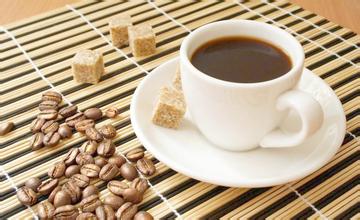
Boutique coffee Guatemalan coffee origin Guatemalan coffee practice
The extra-hard coffee beans here are full-grained, delicious and balanced, and the coffee made with them is pure and rich. Guatemala coffee once enjoyed a reputation as the best quality coffee in the world, but its quality also declined for a time. What is gratifying, however, is that its reputation is gradually being restored. In 1750, Father Jesuit introduced coffee trees to Guatemala, at the end of the 19th century.

Boutique coffee Guatemalan coffee origin Guatemalan coffee practice
The extra-hard coffee beans here are full-grained, delicious and balanced, and the coffee made with them is pure and rich. Guatemala coffee once enjoyed a reputation as the best quality coffee in the world, but its quality also declined for a time. What is gratifying, however, is that its reputation is gradually being restored. In 1750, Father Jesuit introduced coffee trees to Guatemala, at the end of the 19th century.
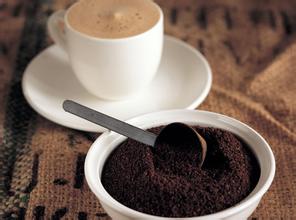
Boutique coffee Guatemalan coffee origin Guatemalan coffee practice
The extra-hard coffee beans here are full-grained, delicious and balanced, and the coffee made with them is pure and rich. Guatemala coffee once enjoyed a reputation as the best quality coffee in the world, but its quality also declined for a time. What is gratifying, however, is that its reputation is gradually being restored. In 1750, Father Jesuit introduced coffee trees to Guatemala, at the end of the 19th century.
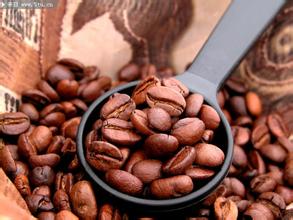
Boutique coffee Guatemalan coffee origin Guatemalan coffee practice
The extra-hard coffee beans here are full-grained, delicious and balanced, and the coffee made with them is pure and rich. Guatemala coffee once enjoyed a reputation as the best quality coffee in the world, but its quality also declined for a time. What is gratifying, however, is that its reputation is gradually being restored. In 1750, Father Jesuit introduced coffee trees to Guatemala, at the end of the 19th century.
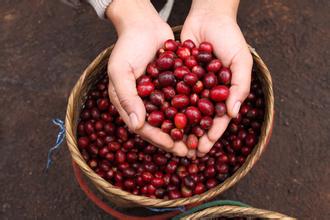
Boutique coffee Guatemalan coffee origin Guatemalan coffee practice
The extra-hard coffee beans here are full-grained, delicious and balanced, and the coffee made with them is pure and rich. Guatemala coffee once enjoyed a reputation as the best quality coffee in the world, but its quality also declined for a time. What is gratifying, however, is that its reputation is gradually being restored. In 1750, Father Jesuit introduced coffee trees to Guatemala, at the end of the 19th century.
Boutique coffee Guatemalan coffee origin Guatemalan coffee practice
The extra-hard coffee beans here are full-grained, delicious and balanced, and the coffee made with them is pure and rich. Guatemala coffee once enjoyed a reputation as the best quality coffee in the world, but its quality also declined for a time. What is gratifying, however, is that its reputation is gradually being restored. In 1750, Father Jesuit introduced coffee trees to Guatemala, at the end of the 19th century.

Boutique coffee Guatemalan coffee origin Guatemalan coffee practice
The extra-hard coffee beans here are full-grained, delicious and balanced, and the coffee made with them is pure and rich. Guatemala coffee once enjoyed a reputation as the best quality coffee in the world, but its quality also declined for a time. What is gratifying, however, is that its reputation is gradually being restored. In 1750, Father Jesuit introduced coffee trees to Guatemala, at the end of the 19th century.

What are the Guatemalan coffee farms? what are the flavor characteristics of Guatemalan coffee beans?
For more information on coffee beans, follow the Coffee Workshop (official Wechat account cafe_style) Guatemala is famous for its fruity coffee beans and was rated as the largest coffee producer in Central America for most of the 20th and 21st centuries. Among them, Antigua is a famous producer of coffee, rich volcanic soil, low humidity and strong sunlight.

The flavor of Guatemalan boutique coffee introduces the taste characteristics of Guatemalan coffee
Well-known representative coffee: Antigua (Antigua), Vivette Nango (Huehuetenango) the latitude of Guatemala is about 15 degrees, adjacent to the Pacific Ocean on the left and the Caribbean Sea on the right. The Sierra Mountains on this side of the Pacific Ocean are the main coffee-growing areas in Guatemala. Because the mountains are very long and the regional climate changes are great, it has created the seven largest coffee producing areas in the country.
The practice of Guatemalan coffee beans fine coffee from the origin of Guatemalan coffee beans
Antigua coffee from Guatemala must be on the menu of some upscale cafes. People who like it always keep in mind its special smoke smell. Coffee has created prosperity for Guatemala. To this day, coffee still affects the Guatemalan economy. Antigua is the oldest and most beautiful city in America. As early as 1543